If you’ve ever poked a bowl of slime and thought “wow, satisfying,” then immediately recoiled from a slippery oyster thinking “never again,” you’re not alone. Humans have a very strange relationship with slimy things. We love slime as a toy, hate slime on a plate, and tolerate slime in nature—well, sometimes.
The Sensory Science of Slime: Playful Goo for the Brain
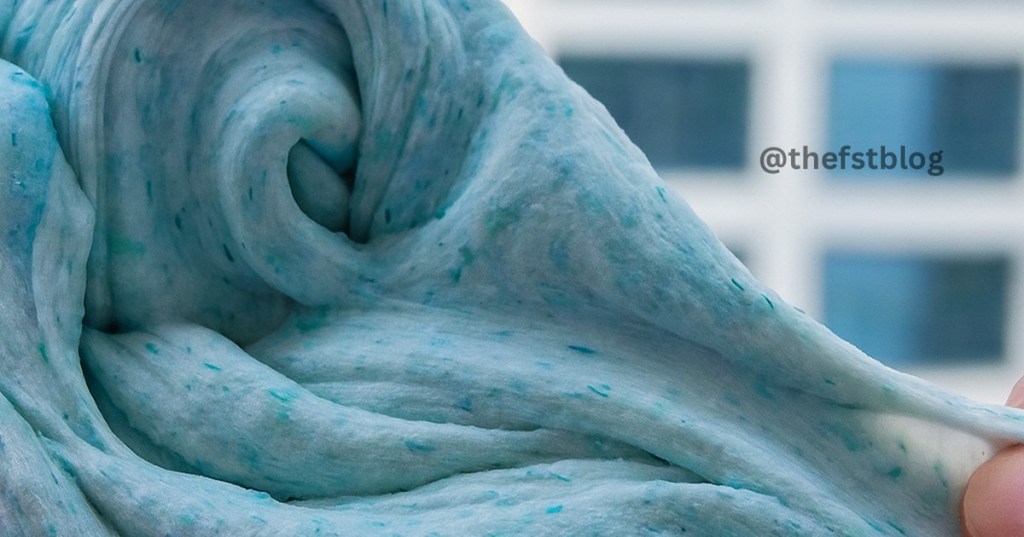
Slime is basically science clay with a PhD in satisfying textures. It’s a non-Newtonian fluid (doesn’t follow newtonian viscosity laws)—a substance that sometimes behaves like a solid and sometimes like a liquid depending on how you handle it. This unpredictability activates a part of our brain that loves novelty. The somatosensory cortex gets a surprising yet pleasant input and sends it to all the right brain parts for a dopamine burst! Slime’s slow-flowing movement and soft resistance create a form of tactile ASMR.
But Slimy Food? That’s a Different Story for the Brain
Enter slippery mushrooms, gooey okra, or raw oysters. Humans evolved to be suspicious of slimy textures in food because many dangerous things—rotting meat, mold, spoiled fruit—get slimy as they decompose. Sliminess can signal bacterial growth or decay, triggering an ancient alarm response.
Did you know which are the major brain areas involved in processing disgust – Insula and Putamen (here is a nice read: Disgust and the Brain – Psychology of Human Emotion: An Open Access Textbook). All evolution/experience needs to do is wire a connection between the somatosenosry cortex and insula and there you have your ick!
Cultural Training
Slimy foods aren’t universally gross. Many cultures enjoy natto, nopal, okra stews and oysters.
Sliminess in food can be learned and appreciated through exposure. That is experience re-wiring your evolutionary tendencies in real-time!
The slippery summary
Play slime is fun, safe, and surprising. Slimy food can trigger evolutionary disgust responses. But with your mama’s table training, slimy foods can become delicious too 🙂
 The FST Blog
Leave a comment